The sunlit studio was filled with Chloe's vibrant, completed oil paintings. But on the easel in the center of the room, a large canvas remained starkly, blindingly white. For a solid month, Chloe had sat there every day, paintbrush in hand, her mind utterly blank.
As a moderately well-known young painter, her inspiration had always been like a spring, bubbling up endlessly from life, from dreams, even from a single song. But now, that spring seemed to have run completely dry.
She tried everything she knew: visiting museums, walking in the countryside, listening to different genres of music, even rearranging her entire studio. Nothing worked. Whenever she tried to paint, a crushing sense of powerlessness and frustration washed over her.
"Have I lost my touch for good?" The terrifying thought began to surface more and more often.
Her friends comforted her, saying it was just a temporary phase that every creator goes through. She understood the logic, but the anxiety snowballed inside her. She started losing sleep, questioning her decision to pursue this path.
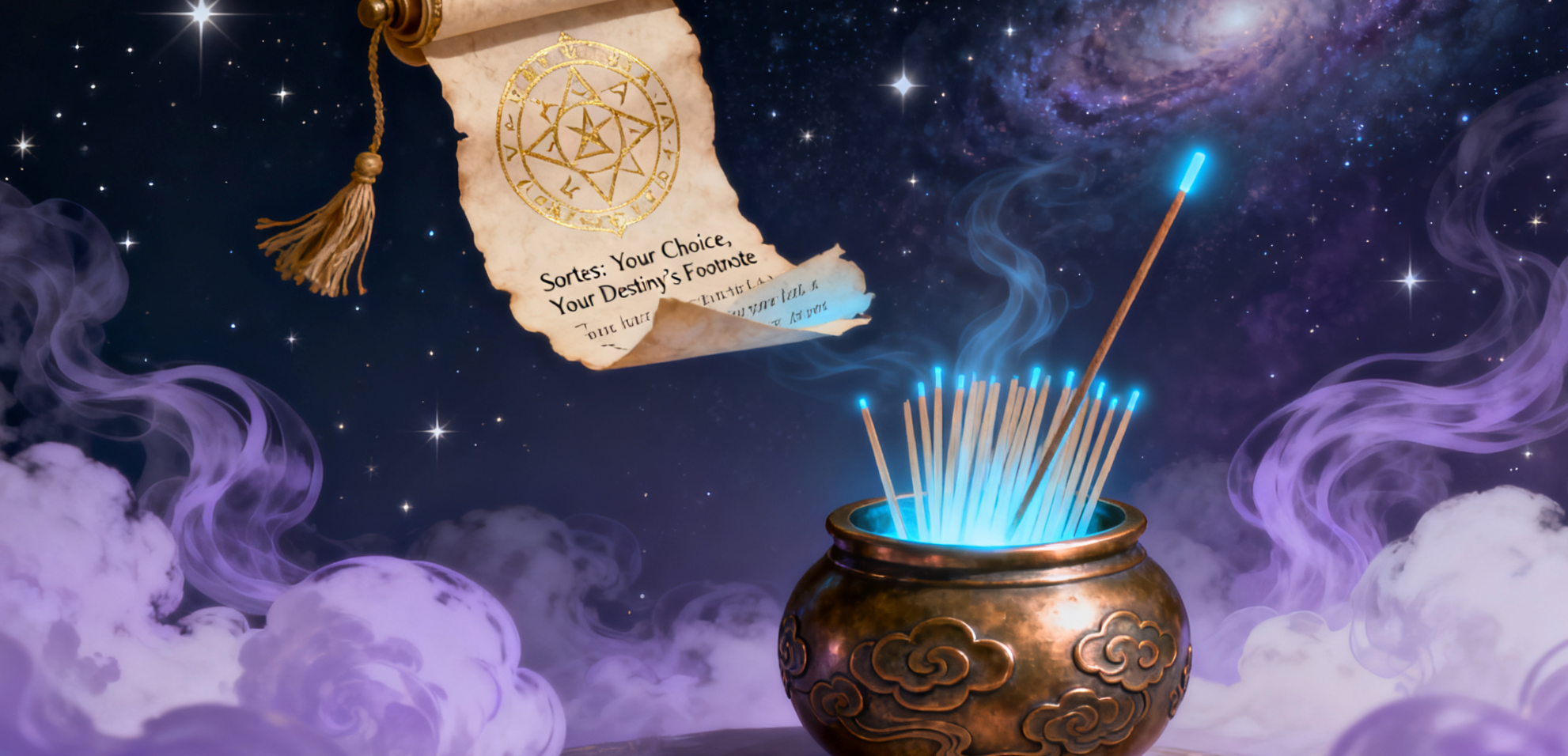
On another uninspired afternoon, she desperately searched online for "how to find inspiration again." Among a sea of articles and videos, a title caught her eye: "'Divine' Your Inspiration with Eastern Wisdom." It sounded a bit absurd, but she couldn't resist clicking.
It was a website with a unique, Zen-like interface. Feeling like she had nothing to lose, she typed in the question that had been haunting her: "My inspiration is gone. Can I still continue to paint?"
The result was "Su Xi" (Speedy Joy). A hopeful phrase. She eagerly read the interpretation:
"Inspiration is not sought, but received. By focusing too hard on 'creating,' you have closed the door to 'feeling.' Joy is hidden in moments, in the mundane. For now, put down the brush. Go bake a cake for a friend, read a book unrelated to art, listen to a street corner concert. When you forget you are searching, it will arrive quietly."
The words stopped her in her tracks. She had been too 'focused.' For the past month, her entire life had revolved around 'finding inspiration.' She had turned painting from a joy into a task that had to be completed.
"Put down the brush..."
She looked at the blank canvas, and for the first time, felt a sense of release instead of anxiety. She stood up, took off her paint-splattered overalls, and walked out of the studio.
That afternoon, she didn't go to a gallery. She went to a nearby bakery, bought a lot of ingredients, and clumsily learned to bake a lemon cheesecake. That evening, she invited friends over to taste her 'masterpiece.' The cake looked a bit funny, but their happy faces brought her a pure, simple joy she hadn't felt in a long time.
For the next few days, she didn't set foot in her studio. She went to see a movie she'd been looking forward to, fed pigeons in the park, and even spent an entire afternoon just sitting by the window, watching the rain. She stopped forcing herself to 'feel' and 'create.'
One morning a week later, she was awakened by the chirping of birds outside her window. She walked over and saw a few sparrows squabbling over a crumb of bread on her neighbor's windowsill. The scene was ordinary, lively, and full of life.
Suddenly, an image flooded her mind. She rushed into her studio, grabbed a brush, and on the blank canvas, she made the first stroke.
Inspiration, it turned out, had come back the moment she stopped looking for it.